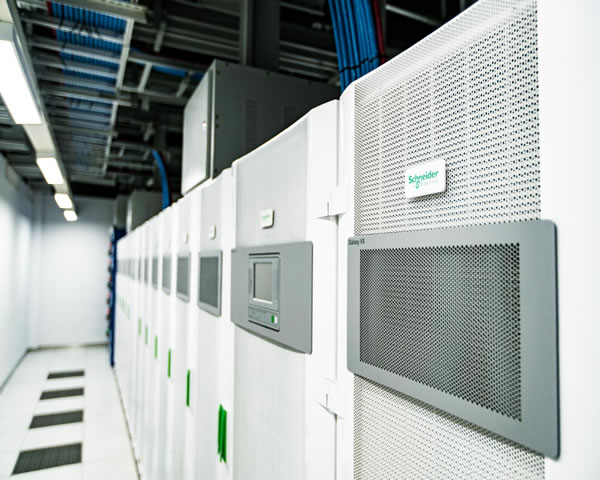
with the rapid development of cloud computing technology, more and more companies are beginning to pay attention to the choice of cloud servers. among the many options, japanese cloud servers are highly favored for their unique native features and a wide range of application scenarios. this article will explore the native features of japanese cloud servers and their performance in practical applications to help enterprises make informed decisions when choosing cloud services.
native features of japanese cloud servers
japanese cloud servers are known for their high reliability and low latency. its native features include strong security, flexible scalability and excellent network connections. first of all, advanced encryption technology is used during data transmission to ensure information security. in addition, the flexible scalability provided by japanese cloud servers can dynamically adjust resources according to user needs, greatly improving the user experience. finally, thanks to japan's high-quality network infrastructure, users can enjoy low-latency network services, which is crucial for real-time applications.
high security and compliance
globally, data security and compliance are increasingly valued. japanese cloud servers have shown significant advantages in this regard. its data centers follow strict security standards and adopt multiple physical and logical security measures, which not only ensures the security of data, but also meets various regulatory requirements. in addition, the japanese government has a complete legal system in data protection, which also allows companies to feel more at ease when using japanese cloud servers and reduce compliance risks.
flexible resource management
japan cloud servers support on-demand resource management, which means that enterprises can adjust computing, storage and bandwidth resources at any time according to actual needs. this flexibility allows companies to respond quickly when facing business fluctuations, avoiding waste of resources and reducing costs. whether it is a start-up or a large enterprise, it can customize cloud solutions according to its own needs to ensure the efficient operation of the business.
suitable for a variety of application scenarios
japanese cloud servers are suitable for a variety of application scenarios, including website hosting, data backup, software development and big data analysis. for websites that require high availability, cloud servers can provide a stable hosting environment. in terms of data backup, its security and reliability enable enterprises to safely store important data. in addition, developers can use the flexibility of cloud servers to develop and test software, quickly iterate, and improve development efficiency.
efficient customer support
another advantage of choosing a japanese cloud server is its efficient customer support. many cloud service providers have local support teams in japan that are able to provide fast response and professional technical support. whether it is the problems encountered by users during use or the questions about the product, the company can get timely help. this efficient customer service is crucial to the daily operation of the enterprise and can effectively reduce downtime.
summary and suggestions
overall, japan cloud server has become an ideal choice for many companies with its high security, flexible resource management and ability to adapt to a variety of application scenarios. for companies looking to expand their business in the japanese market, choosing the right cloud service provider is crucial. when choosing, it is recommended that enterprises understand the characteristics of different cloud services in detail and evaluate them in combination with their own needs to ensure that they can gain an advantage in a highly competitive market.
- Latest articles
- Popular tags
-

Recommended Best Choice For Monthly Payment Of Japanese Native Ip
explore the best option of paying monthly japanese native ip to help you achieve smooth network connection and data transmission in the japanese market. -

Discuss The Servers And Stability Commonly Used By Japanese Chicken Players
discuss the servers and stability commonly used by japanese chicken players, and analyze the advantages and disadvantages of different servers and their impact on the game experience. -
Improve Online Privacy And Security Using Native Japanese Ip
explore how to use native japanese ip to improve online privacy and security, understand its advantages, and choose the right service.